Production controls matter more than model novelty.
Teams rarely fail because the model is weak. They fail because release governance, traceability, and runtime accountability were never designed.

Most enterprise AI initiatives fail between demo and production. Paisani designs and implements private, governed, operationally reliable AI systems for mission-critical workflows.
Teams rarely fail because the model is weak. They fail because release governance, traceability, and runtime accountability were never designed.
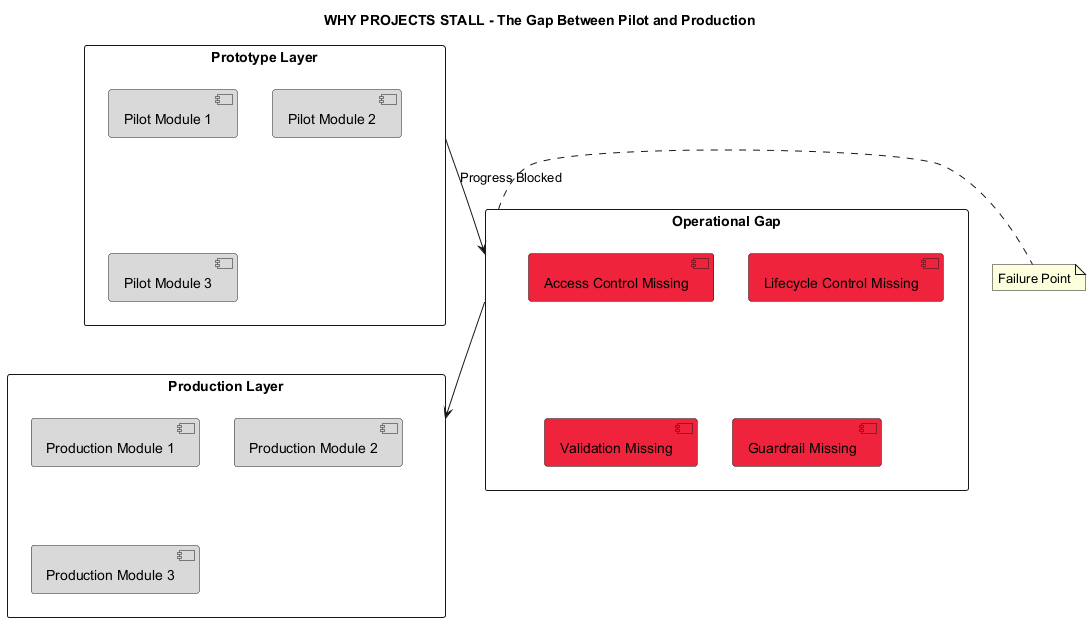
Architecture, operations, and workflow enablement have to advance together if AI is going to survive contact with compliance, change management, and real business operations.
Design secure AI architecture where sensitive data remains under your control.
Explore private AIOperational discipline for evaluation, release gates, observability, and rollback.
Explore LLMOpsIntegrate AI into existing workflows with clear controls, ownership, and measurable outcomes.
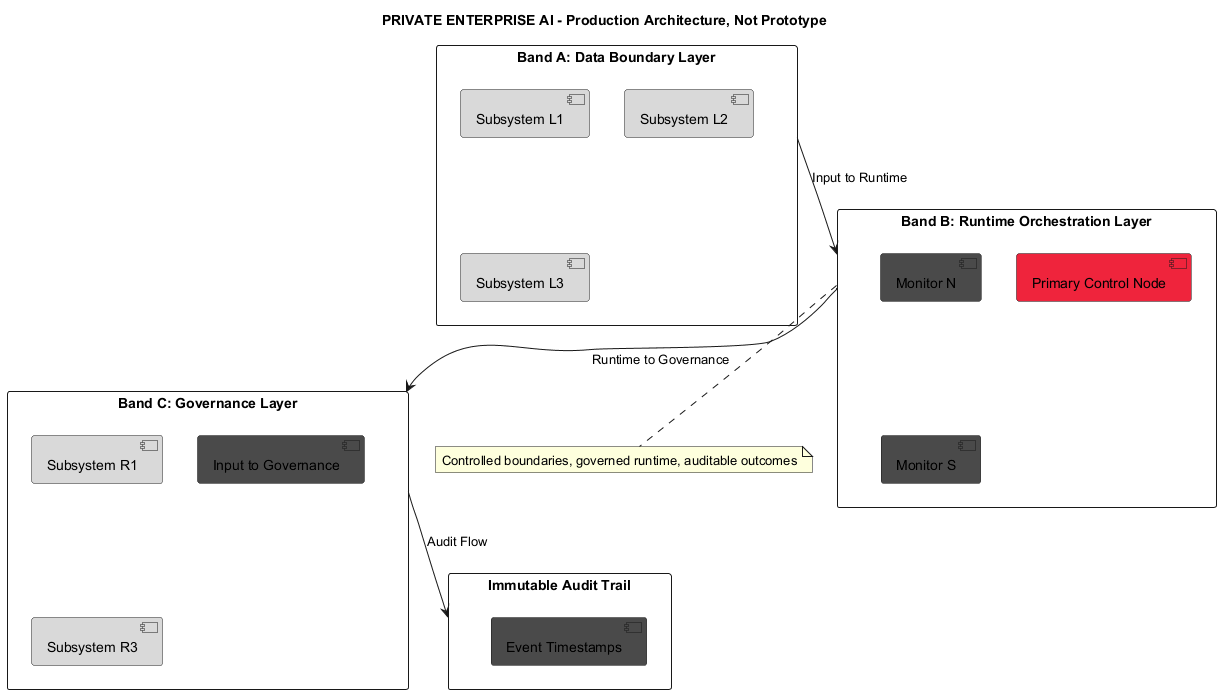
Explore AI enablementWe do not ship generic chatbot demos. We build enterprise AI systems with operational controls from day one: policy-enforced data boundaries, versioned release discipline, auditability by design, and production runbooks with clear ownership.
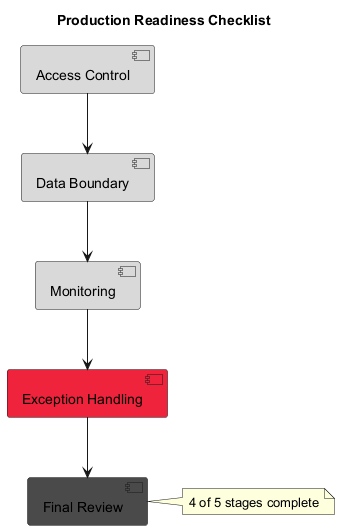
Use the Production Readiness Checklist to identify architecture, governance, and operational gaps before deployment risk becomes production cost.
The new site includes technical articles informed by Paisani’s research on automotive, banking, insurance, telecom, and software engineering AI deployment.
How factories, warranty, service, and engineering loops become one governed system.
Read articleWhy model risk management and DORA make private AI architecture non-optional.
Read articleHow to combine developer adoption with source-code governance and release safety.
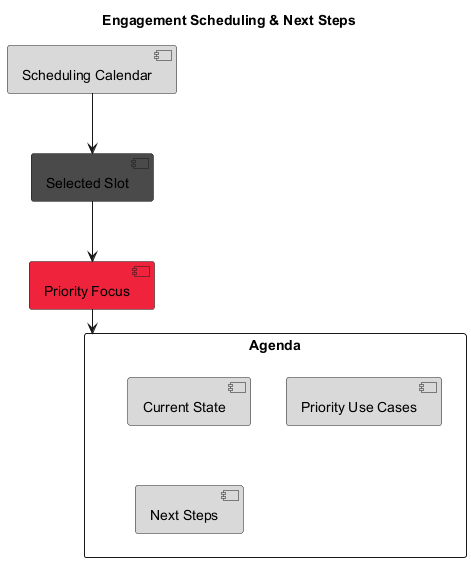
Read articleBook a 30-minute discovery call to assess current state, risks, and a phased path forward for architecture, governance, and rollout.